
This City & Guilds Assured course equips individuals to deliver comprehensive manual handling training, covering legal aspects and practical techniques for effective knowledge transfer.
Overview of the Course
This intensive Manual Handling Train the Trainer course, City & Guilds Assured by The Health & Safety Group, provides a thorough understanding of manual handling principles and effective training methodologies. Participants gain access to valuable digital resources, including the HSG Manual Handling Video.
The program focuses on both inanimate object handling and people moving techniques, preparing trainers to deliver compliant and practical training. Successful completion results in a City & Guilds Manual Handling Trainer Certificate. The course is a practical, interactive two-day program designed to build confidence and competence in delivering high-quality training.
Importance of Accredited Training (City & Guilds)
Choosing a City & Guilds Assured Manual Handling Train the Trainer course signifies a commitment to quality and industry best practices. This accreditation, from a 144-year-old institution, demonstrates the program meets rigorous standards, ensuring comprehensive coverage of legal requirements and practical techniques.
Accreditation enhances trainer credibility and the effectiveness of delivered training. Employers recognize and value City & Guilds qualifications, fostering confidence in the competence of their in-house trainers. It assures participants receive acknowledged excellence in manual handling knowledge and train-the-trainer methodologies.

Legal Framework & Responsibilities
This section focuses on understanding manual handling legislation, outlining employer and employee duties to ensure workplace safety and legal compliance.
Understanding Manual Handling Regulations
Delving into the legal landscape of manual handling is crucial for trainers. This involves a comprehensive understanding of relevant health and safety legislation, specifically those pertaining to workplace risks and employee protection. The course emphasizes interpreting these regulations accurately and applying them to practical scenarios.
Trainers will learn to identify key legal requirements, including risk assessment protocols and the implementation of safe systems of work. Furthermore, the program clarifies how these regulations apply specifically within healthcare settings, addressing the unique challenges of people moving and handling. Staying current with legislative changes is also highlighted as a vital component of ongoing trainer competency.
Employer and Employee Duties
A core element of the training focuses on clearly defining the responsibilities of both employers and employees regarding manual handling safety. Employers are legally obligated to provide a safe working environment, conduct thorough risk assessments, and deliver adequate training.
Employees, conversely, have a duty to follow established procedures, utilize provided equipment correctly, and report any potential hazards. The course emphasizes the collaborative nature of workplace safety, highlighting how effective communication and shared responsibility minimize risks. Trainers will learn to articulate these duties clearly to course participants, fostering a culture of safety and compliance.
Risk Assessment in Manual Handling
A significant portion of the Train the Trainer program is dedicated to mastering risk assessment methodologies specifically tailored for manual handling tasks. Participants will learn to identify common hazards – including load weight, awkward postures, and repetitive movements – and evaluate the associated risks.
Trainers will be equipped to guide others in implementing control measures, such as engineering controls, administrative controls, and the use of personal protective equipment. The course stresses a proactive approach to risk management, ensuring participants can effectively assess and mitigate potential injuries in various workplace scenarios.
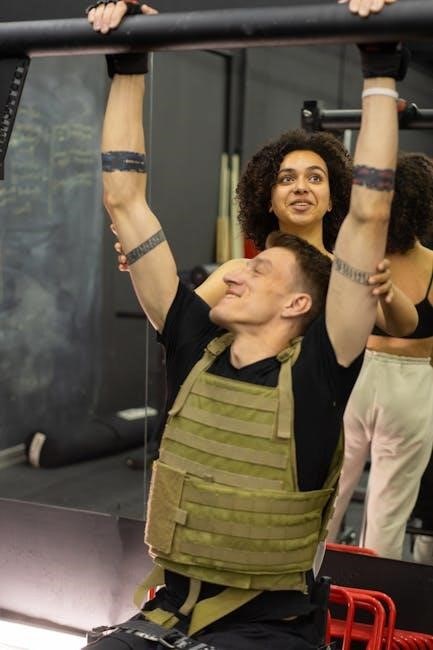
Principles of Manual Handling
This section details biomechanics, hazard control, and safe lifting techniques, forming the core of effective manual handling training and injury prevention strategies.
Biomechanics of Lifting and Carrying
Understanding the biomechanics of lifting is crucial for trainers. This involves explaining how the body’s levers, fulcrums, and forces interact during manual tasks. Trainers must convey how maintaining a neutral spine, utilizing leg muscles, and keeping loads close to the body minimizes stress.
Effective training demonstrates the impact of improper lifting on musculoskeletal health, highlighting potential injury risks. Participants learn to analyze movements, identify biomechanical stressors, and apply principles to various lifting scenarios. This knowledge empowers them to teach safe and efficient lifting techniques, reducing the likelihood of strains and sprains in the workplace.
Hazard Identification and Control
Trainers must proficiently guide participants in identifying manual handling hazards within diverse work environments. This includes recognizing risks associated with load characteristics – weight, size, shape – and environmental factors like space constraints or uneven surfaces.
The course emphasizes a systematic approach to risk assessment, enabling trainees to evaluate potential harm and implement effective control measures. These controls range from engineering solutions (equipment provision) to administrative controls (job rotation) and personal protective equipment. Trainers learn to facilitate hazard spotting exercises and develop practical control strategies.
Safe Lifting Techniques – Detailed Breakdown
Trainers will dissect proper lifting techniques, emphasizing a neutral spine, maintaining a close load proximity, and utilizing leg muscles for power. The course details a step-by-step approach, from assessing the load and planning the lift to executing the movement smoothly and avoiding twisting.
Participants learn to demonstrate and critique lifting form, identifying common errors and providing constructive feedback. Emphasis is placed on adapting techniques to various load types and workplace conditions. Trainers gain the ability to effectively convey the biomechanical principles underpinning safe lifting practices.

Train the Trainer Methodology
This section focuses on adult learning principles, effective communication, and designing impactful manual handling programs to ensure trainers deliver engaging and informative sessions.
Adult Learning Principles
Understanding how adults learn is crucial for effective training delivery. Unlike traditional pedagogical approaches, andragogy emphasizes learner experience and relevance. Participants benefit most when training connects to their existing knowledge and workplace scenarios.
Facilitating active participation through discussions and practical exercises enhances retention. Acknowledging individual learning styles and paces is also vital. Creating a safe and supportive environment encourages questions and knowledge sharing. The course will explore techniques to motivate adult learners, address barriers to learning, and foster a collaborative training atmosphere, ultimately maximizing knowledge transfer and skill development in manual handling.
Effective Communication Techniques
Mastering communication is paramount for a successful Train the Trainer experience. This involves clear articulation of complex concepts, adapting language to diverse audiences, and utilizing visual aids effectively. Active listening skills are essential for understanding participant needs and addressing concerns promptly.
Non-verbal communication, including body language and tone of voice, significantly impacts message delivery. The course will focus on techniques for delivering constructive feedback during practical assessments, like the 5-minute micro-teach presentation. Building rapport and fostering open dialogue are key to creating an engaging and impactful learning environment for future manual handling trainers.
Designing Manual Handling Training Programs
Effective program design is crucial for impactful manual handling training. This involves identifying specific learning objectives aligned with legal requirements and workplace hazards. A structured curriculum should incorporate theoretical knowledge, practical demonstrations, and opportunities for skill practice, including people moving techniques.
Consider diverse learning styles when selecting training methods and materials, utilizing resources like the HSG Manual Handling Video. Programs must include assessment strategies – open-book tests and practical observation – to validate competency. Tailoring content to specific industry needs and incorporating refresher training ensures sustained knowledge and best practices.

Practical Training Delivery
Delegates will practice micro-teach presentations on people moving and handling, receiving constructive feedback on their delivery and observation skills during the course.
Micro-Teach Presentation Skills
This crucial session focuses on developing confident and effective presentation skills specifically for manual handling training. Each participant will prepare and deliver a concise, five-minute micro-teach presentation centered around a chosen people moving and handling subject.
This practical exercise allows trainers to apply learned principles in a safe and supportive environment. Emphasis is placed on clear communication, engaging delivery, and accurate demonstration of techniques. Constructive feedback, provided by peers and the instructor, will refine presentation style and content.
The goal is to build competence and assurance in conveying vital information to trainees, ensuring they grasp safe handling procedures effectively.
Observation and Feedback Techniques
A key component of becoming a proficient trainer involves mastering the art of observing practical application and delivering constructive feedback. This module equips participants with the skills to accurately assess trainees’ performance during manual handling tasks, identifying both strengths and areas for improvement.
Trainers will learn to provide specific, actionable feedback that promotes learning and reinforces correct techniques. Emphasis is placed on objective observation, avoiding subjective judgment, and fostering a positive learning environment.
Effective feedback techniques are crucial for ensuring trainees develop safe and sustainable handling practices.
Use of Training Aids and Props
Enhancing manual handling training requires skillful utilization of aids and props to demonstrate principles and engage learners. This section focuses on effectively employing resources like weighted boxes, simulated loads, and anatomical models to illustrate biomechanical concepts and safe lifting techniques.
Participants will explore how props can facilitate practical exercises, allowing trainees to practice correct form in a controlled environment. The Health & Safety Group provides expert course content and props.
Trainers will learn to select and utilize aids that best suit diverse learning styles and training objectives, maximizing comprehension and retention.

People Moving & Handling Specifics
This module delves into healthcare applications, focusing on patient handling techniques and equipment usage, ensuring safe practices within a medical environment.
Healthcare Applications of Manual Handling
Within healthcare, manual handling presents unique challenges due to the vulnerable nature of patients and the diverse range of handling tasks required. This section of the Train the Trainer program emphasizes understanding manual handling legislation specifically as it applies to healthcare settings.
Trainers will learn to assess risks associated with patient transfers, repositioning, and assisting with mobility. The course covers appropriate techniques for minimizing strain on both caregivers and patients, promoting a safe environment.
Delegates will also practice delivering instruction on these specialized techniques, preparing them to confidently train healthcare professionals in best practices.
Patient Handling Techniques
This module focuses on the practical application of safe patient handling, a critical component of the Train the Trainer program. Participants will explore techniques for assisting patients with mobility, transfers between beds, chairs, and wheelchairs, and repositioning while minimizing risk of injury to both patient and caregiver.
Emphasis is placed on proper body mechanics, utilizing assistive devices effectively, and understanding individual patient needs.
Trainers will learn to demonstrate and assess competency in these techniques, ensuring healthcare staff can provide safe and dignified care.
Equipment Usage for People Moving
This section of the Train the Trainer course details the safe and effective use of equipment designed to aid in people moving and handling. Participants will gain hands-on experience – or observe detailed demonstrations – of hoists, slings, transfer boards, and other assistive devices.
Crucially, the training covers pre-use checks, proper fitting, and limitations of each piece of equipment.
Trainers will learn to instruct others on selecting the appropriate equipment for specific patient needs and ensuring its correct application to prevent injury and maximize patient comfort.

Manual Handling of Inanimate Objects
This module focuses on techniques for safely lifting and moving various loads, emphasizing load assessment, workplace ergonomics, and legal requirements for trainers.
Techniques for Lifting Various Loads
Effective training will demonstrate proper lifting techniques adaptable to diverse load characteristics. Participants learn to assess weight, size, and shape, understanding how these factors impact body mechanics. The course emphasizes maintaining a neutral spine, utilizing leg muscles, and avoiding twisting motions during lifts.
Trainers will be equipped to instruct on strategies for handling awkward loads, loads with unstable centers of gravity, and loads requiring team lifting. Practical exercises will reinforce these concepts, ensuring trainees can confidently guide others in safe lifting practices, minimizing risk of injury in various workplace scenarios.
Load Assessment and Safe Handling
Trainers will learn to facilitate thorough load assessments, a crucial component of safe manual handling. This includes evaluating load weight, dimensions, and center of gravity, alongside identifying potential hazards. Participants will be instructed on how to teach others to determine if a load is too heavy or awkward to handle safely alone, promoting the use of mechanical aids when necessary.
The course emphasizes the importance of planning lifts, clearing pathways, and communicating effectively with colleagues. Trainers will gain the skills to deliver practical guidance on safe handling procedures, minimizing the risk of musculoskeletal disorders.
Workplace Ergonomics and Design
Effective manual handling training extends beyond individual technique to encompass workplace design. Trainers will learn to assess workstations for ergonomic risks, identifying factors that contribute to strain and injury. This includes evaluating work surface heights, reach distances, and the frequency of repetitive movements.
The course will cover how to educate employees on adjusting their workstations for optimal comfort and efficiency, promoting good posture and reducing physical stress. Participants will gain the ability to advise on implementing ergonomic improvements to minimize manual handling risks.

Course Administration & Assessment
This section details training administration, open-book assessments, and practical observation criteria, ensuring trainers can effectively manage and evaluate participant competency.
Training Administration Hints & Tips
Effective course administration is crucial for a smooth and successful Manual Handling Train the Trainer program. Delegates should meticulously prepare all materials, including trainer notes, props, and digital resources like the HSG Manual Handling Video. Maintaining accurate attendance records and ensuring all participants receive necessary documentation are paramount.
Prior to the course, confirm venue suitability and equipment availability. During delivery, manage time effectively, adhering to the scheduled session durations. Post-course, promptly process certificate awarding and gather feedback for continuous improvement. Remember to retain copies of assessments and observation records for auditing purposes, demonstrating compliance with City & Guilds standards.
Open-Book Assessment Details
The Manual Handling Train the Trainer course incorporates an open-book assessment to evaluate comprehension of key principles and legal frameworks. Candidates will have access to course materials during the assessment, emphasizing application of knowledge rather than rote memorization. This assessment focuses on demonstrating understanding of risk assessment procedures, safe lifting techniques, and the ability to interpret relevant legislation.
Successful completion requires accurate and thorough responses, showcasing a practical grasp of manual handling best practices. The assessment aims to confirm readiness to effectively deliver training and promote a safe working environment. It’s a vital component alongside the practical observation element.
Practical Activity Observation Criteria
The practical component of the Train the Trainer course involves observation of delegates delivering a micro-teach presentation. Evaluators assess the ability to effectively communicate manual handling principles, demonstrate safe techniques, and provide constructive feedback. Key criteria include clarity of instruction, accurate demonstration of lifting methods, and engagement with the ‘audience’.
Assessors will also look for adherence to legal requirements and risk assessment protocols. A 5-minute pre-planned presentation on people moving and handling is required, showcasing competency in practical application and training delivery skills. This ensures trainers can confidently impart knowledge.

Resources and Materials
Delegates receive comprehensive trainer notes, props, digital resources including HSG videos, and certificates to confidently deliver manual handling and people moving training.
Trainer Notes and Support Materials
Comprehensive trainer notes are a cornerstone of this program, providing detailed guidance on each module and activity. These materials are designed to support effective delivery and ensure consistency across all training sessions. Beyond the core notes, supplementary resources include practical exercises, case studies, and visual aids to enhance participant engagement.
The support materials are regularly updated to reflect current legislation and best practices in manual handling. Trainers will also have access to a dedicated online portal with additional downloadable resources, frequently asked questions, and a forum for peer support and knowledge sharing. This ensures trainers remain competent and confident in their delivery.
Digital Resources and Video Access (HSG)
Participants gain unlimited access to the digital version of the HSG Manual Handling Video, a crucial resource for illustrating correct techniques and potential hazards. This video complements the practical training, providing a visual reinforcement of key concepts. Alongside the video, a suite of digital resources is available, including interactive quizzes, downloadable handouts, and customizable PowerPoint presentations.
These digital tools streamline course preparation and delivery, allowing trainers to adapt materials to specific workplace needs. Access is provided through a secure online platform, ensuring convenient and reliable access for all certified trainers. This commitment to digital resources enhances the overall training experience.
Certificate Awarding Process
Upon successful completion of the Manual Handling Train the Trainer course, all delegates will receive a City & Guilds Manual Handling Trainer Certificate. This certification validates their competency in delivering effective manual handling training programs. The awarding process is contingent upon successful completion of both the open-book assessment and the observation of practical activity performance.
Certificates are issued promptly, typically within two weeks of course completion, and are delivered electronically for immediate access. This recognized qualification demonstrates a commitment to workplace safety and adherence to industry best practices, enhancing professional credibility.

Continuous Professional Development
Maintaining trainer competency requires staying updated with legislation changes, participating in refresher training, and consistently applying best practices in manual handling.
Staying Updated with Legislation Changes
The landscape of health and safety regulations is constantly evolving, demanding that Manual Handling Train the Trainer professionals commit to continuous learning. Keeping abreast of amendments to manual handling legislation is not merely a best practice, but a legal obligation. Trainers must proactively seek updates from reputable sources like the Health and Safety Executive (HSE) and City & Guilds.
Regularly reviewing guidance documents, attending relevant webinars, and participating in refresher courses are crucial steps. This ensures training content remains current, compliant, and reflects the latest understanding of risk prevention and safe handling techniques. Failure to do so could compromise the effectiveness of training and potentially expose organizations to legal repercussions.
Refresher Training and Best Practices
Maintaining trainer competency necessitates periodic refresher training, reinforcing core principles and introducing emerging best practices in manual handling. These sessions should revisit biomechanics, risk assessment methodologies, and updated legal requirements. Practical elements, like micro-teach sessions and observation exercises, are vital for honing delivery skills.
Sharing experiences and networking with other trainers fosters a collaborative learning environment. Staying informed about industry advancements, such as new equipment or ergonomic designs, allows trainers to provide relevant and impactful instruction. Consistent application of best practices ensures consistently high-quality manual handling training.
Maintaining Trainer Competency
Sustained trainer competency demands continuous professional development, encompassing updates on evolving legislation and best practices. Regular participation in refresher courses, ideally annually, is crucial. These should include practical elements – micro-teaching and peer observation – to refine delivery skills.
Trainers must actively seek opportunities to expand their knowledge base, reviewing new research and ergonomic advancements. Documenting ongoing training and maintaining a portfolio of evidence demonstrates commitment to quality. Competency is not a static achievement but an ongoing process of learning and improvement.