
Bore sighting is a crucial preliminary step, ensuring precise sight alignment with the firearm’s barrel, enhancing accuracy and minimizing wasted ammunition during zeroing procedures․
What is Laser Bore Sighting?
Laser bore sighting employs a low-intensity laser beam projected through the firearm’s bore to simulate the bullet’s trajectory․ This process allows shooters to visually align their sights – whether iron sights or optics – with the intended point of impact before live firing․ Essentially, it’s a preliminary alignment check․
Unlike traditional methods relying on visual alignment down the barrel, a laser bore sight offers a quicker and more precise initial setup․ It’s particularly useful for new firearms, scope installations, or after significant disassembly/reassembly․ The technique eliminates errors associated with human perception and provides a reliable reference point for subsequent live-fire adjustments, saving both time and ammunition․
Why Use a Laser Bore Sight?
Laser bore sights dramatically reduce the amount of live ammunition needed for initial firearm zeroing․ Traditional methods can be costly and time-consuming, requiring numerous shots to achieve desired accuracy․ A bore sight establishes a close starting point, minimizing adjustments during live fire․
Furthermore, they are invaluable when mounting new optics, ensuring a solid initial alignment before fine-tuning․ They also aid in verifying sight integrity after transporting or handling a firearm․ Utilizing a laser bore sight streamlines the zeroing process, making it more efficient and less frustrating, ultimately improving shooting precision and confidence․

Types of Laser Bore Sights
Laser bore sights come in red and green varieties, tailored for specific calibers like 9mm, ․223, and ․308, offering versatility for diverse firearm applications․
Red Laser Bore Sights
Red laser bore sights represent a cost-effective entry point into the world of precision firearm alignment․ These sights emit a visible red beam that travels along the barrel’s axis, providing a reference point for initial sight adjustments․ While generally visible in brighter conditions, their effectiveness can diminish in direct sunlight compared to green lasers․
They are widely available for numerous calibers, making them a versatile choice for rifle and pistol owners․ Red lasers are often favored for indoor range work or low-light scenarios where the beam’s visibility remains sufficient․ Their affordability and ease of use contribute to their popularity among both novice and experienced shooters seeking a quick and reliable bore-sighting solution․
Green Laser Bore Sights
Green laser bore sights offer superior visibility compared to their red counterparts, particularly in daylight conditions․ The human eye perceives green light more readily, resulting in a brighter, more distinct beam that’s easier to see against various backgrounds․ This enhanced visibility translates to faster and more accurate bore-sighting, reducing the time spent adjusting sights․
While typically more expensive than red lasers, the improved performance often justifies the investment for shooters prioritizing precision and efficiency․ Green lasers are ideal for outdoor ranges and situations where maintaining a clear sight picture is critical․ They remain a popular choice for both professional marksmen and recreational enthusiasts seeking optimal bore-sighting results․
Specific Caliber Laser Bore Sights (9mm, ․223, ․308, etc․)
Caliber-specific laser bore sights are designed to precisely fit the barrel diameter of various firearms, ensuring optimal alignment and accuracy․ Common calibers catered to include 9mm, ․223, ․308, ․30-06, and many others․ Utilizing the correct caliber sight is paramount; an incorrect fit can lead to misalignment and inaccurate bore-sighting results․
These sights often feature interchangeable adapters to accommodate different barrel sizes within a caliber family․ Always verify compatibility before purchase, referencing the firearm’s specifications․ Choosing a caliber-specific sight streamlines the process, eliminating the need for adjustments and maximizing the effectiveness of the bore-sighting procedure for your particular firearm․
Equipment Needed for Bore Sighting
Essential tools include a laser bore sight kit, a stable shooting platform like a bench or vise, and a suitable target for precise alignment verification․
Laser Bore Sight Kit
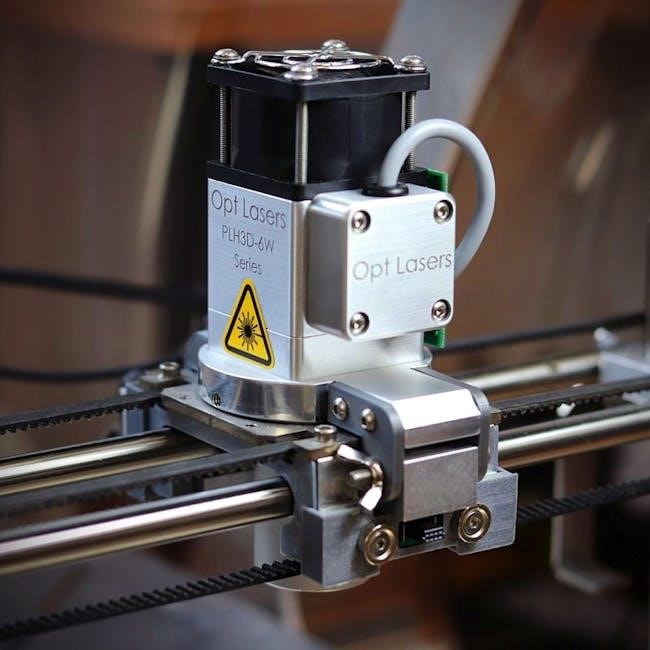
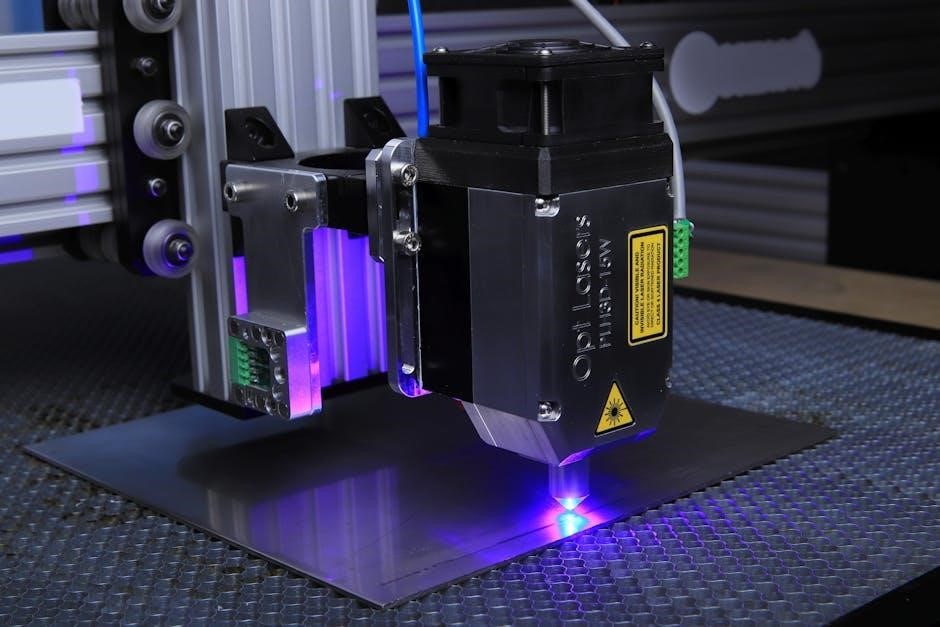
A comprehensive laser bore sight kit is fundamental for successful firearm alignment․ These kits typically include the laser module itself, designed to fit specific calibers, and various adapters to ensure compatibility with different barrel sizes․ Some advanced kits, like the Acculase, boast factory pre-set adjustments minimizing potential errors during the bore sighting process․
The laser module projects a straight beam, representing the firearm’s bore axis, allowing for initial sight adjustments without firing a single shot․ Quality kits often feature adjustable brightness settings for optimal visibility in varying lighting conditions․ Selecting a kit appropriate for your firearm’s caliber is paramount for accurate results, ensuring a precise and efficient bore sighting experience․
Stable Shooting Platform (Bench or Vise)
A rock-solid shooting platform is absolutely essential for accurate bore sighting․ Whether utilizing a dedicated shooting bench or a robust firearm vise, minimizing movement is critical․ Any wobble or instability will introduce errors, negating the precision offered by the laser bore sight․
The platform should securely hold the firearm, preventing shifting during the alignment process․ A vise, particularly, offers superior stability, clamping the firearm firmly in place․ Ensure the platform is positioned on a level surface to avoid introducing unintended angles․ Consistent and unwavering support is key to achieving a reliable zero and maximizing the effectiveness of your bore sighting efforts․
Appropriate Target
Selecting the right target is surprisingly important for effective bore sighting․ A standard target with clearly defined aiming points works well, but a specialized bore sight target with concentric rings can be even more beneficial․ The target should be placed at a suitable distance – typically 25 yards or 100 meters – depending on the laser bore sight’s calibration range․
Ensure the target is securely mounted and won’t shift during the process․ A bright, high-contrast target makes it easier to observe the laser dot’s position․ Remember, the goal is to align the laser with the center of the target, establishing a preliminary zero before live-fire adjustments․
Step-by-Step Laser Bore Sighting Instructions
Follow these steps for accurate bore sighting: prepare equipment, secure the firearm, insert the laser, activate it, and carefully adjust the target accordingly․
Step 1: Prepare Your Equipment
Before beginning, gather all necessary components for a smooth bore sighting process․ This includes your chosen laser bore sight, compatible with your firearm’s caliber, and a stable shooting platform – a bench or vise is highly recommended to minimize movement․
Ensure you have an appropriate target readily available, ideally one designed for bore sighting with clear markings․ Confirm the laser bore sight’s batteries are fresh or fully charged to prevent interruptions․ Finally, familiarize yourself with your firearm’s safety procedures and the laser bore sight’s operational manual to ensure safe and effective use throughout the alignment process․
Step 2: Secure Your Firearm
Safety is paramount; always ensure your firearm is unloaded and pointed in a safe direction before proceeding․ Mount the rifle, with the riflescope already installed if applicable, onto a stable shooting platform like a bench or vise․ This immobilization is critical for achieving accurate bore sighting results, eliminating any wobble or movement that could skew the laser’s projection․
Tighten the vise or bench rest securely, guaranteeing the firearm remains fixed throughout the process․ Double-check that the firearm is stable and won’t shift during laser activation and target adjustment․ A solid foundation is essential for a precise and reliable bore sighting experience․
Step 3: Insert the Laser Bore Sighter
Carefully insert the laser bore sighter into the firearm’s chamber, ensuring it’s seated correctly and securely․ The sighter should fit snugly but without excessive force․ Refer to the manufacturer’s instructions for your specific bore sighter model, as insertion methods can vary depending on caliber and design․
For some models, you may need to remove the bolt to facilitate insertion․ Once inserted, gently close the bolt (if applicable) and verify the sighter is properly aligned with the bore․ Avoid any forceful actions that could damage the sighter or the firearm’s chamber․
Step 4: Activate the Laser
With the firearm securely positioned and the bore sighter correctly inserted, activate the laser according to the manufacturer’s instructions․ Typically, this involves pressing a button on the sighter itself․ Observe the emitted laser beam; it should project a bright, focused dot․
Ensure the laser is visible and stable before proceeding․ Some bore sighters have adjustable brightness settings, allowing you to optimize visibility based on the ambient lighting conditions․ Always exercise extreme caution when activating the laser, and never point it towards yourself or others․
Step 5: Adjust the Target
Now, focus on your target, typically placed at a specified distance – often 25 or 100 yards, depending on the bore sighter and firearm․ Compare the laser dot’s position to the target’s center․ Utilize the elevation and windage adjustment knobs on your riflescope to move the reticle, aligning it precisely with the laser dot․
Make small, incremental adjustments, observing the impact of each change on the reticle’s position․ Repeat this process until the reticle completely overlaps the laser dot, indicating a preliminary zero․ Remember, bore sighting is a starting point; live fire confirmation is essential․
Bore Sight Calibration & Accuracy
Calibration distance, reticle type, and external factors significantly impact accuracy; understanding these elements is vital for achieving optimal firearm performance and precise zeroing․
Calibration Distance (0-100M Range)
Establishing a proper calibration distance is fundamental to effective bore sighting․ Most laser bore sights are designed for a 0-100 meter (or yard) range, offering versatility for various shooting scenarios․ Starting at the shorter end – say, 25 yards – allows for more noticeable adjustments and quicker initial alignment․
However, remember that accuracy can diminish at extreme ranges if the initial bore sighting wasn’t precise․ For longer-distance shooting, consider performing a secondary confirmation at the intended target distance․ The 100-meter mark provides a solid baseline for many common firearms and shooting disciplines, ensuring a reliable starting point for final zeroing on the range․ Consistent distance is key for repeatable results․
Understanding Reticle Type
Different reticle types – such as simple crosshairs, Mil-Dots, or BDC (Bullet Drop Compensation) – require slightly varied approaches during bore sighting․ A basic crosshair reticle simplifies alignment; center the laser dot within the crosshairs․ However, Mil-Dot and BDC reticles introduce complexities․
With Mil-Dot, understand that each dot represents a specific angular measurement at a given distance․ BDC reticles feature markings for bullet drop at various ranges․ When bore sighting with these, focus on aligning the laser with the central reticle point initially․ Accurate interpretation of your scope’s reticle is crucial for translating bore sight adjustments into precise point-of-impact corrections․
Factors Affecting Accuracy
Several factors can influence the accuracy of your bore sighting process․ A stable shooting platform – bench or vise – is paramount, eliminating wobble․ Ensure the firearm’s barrel is clean and free of obstructions․ Ambient light can affect laser visibility; darker environments are preferable․
The quality of the laser bore sight itself plays a role; cheaper models may exhibit misalignment․ Proper insertion and secure mounting are critical․ Finally, remember bore sighting is a preliminary adjustment․ Live-fire confirmation and fine-tuning are always necessary to achieve optimal accuracy, accounting for ammunition variations and environmental conditions․
Troubleshooting Common Issues
Common problems include a non-functioning laser, beam misalignment, or difficulty adjusting the target; careful re-checking of batteries, insertion, and zeroing steps is vital․
Laser Not Turning On
If your laser bore sight fails to activate, the first step is to verify the battery installation․ Ensure the batteries are correctly oriented, making firm contact within the compartment․ Often, a simple battery replacement resolves the issue, as older batteries may lack sufficient power․
Next, inspect the battery compartment for any corrosion or debris that could impede conductivity․ Clean the contacts carefully if necessary․ Confirm the power switch is fully engaged; some models have a safety feature requiring a double-click or specific hold duration․
If the problem persists, consult the manufacturer’s instructions for specific troubleshooting steps related to your model․ A faulty laser diode might necessitate professional repair or replacement․
Laser Beam Misalignment
Experiencing a misaligned laser beam during bore sighting indicates a potential issue with the bore sight’s internal components or improper insertion․ First, carefully remove and re-insert the laser bore sight, ensuring it’s fully seated within the firearm’s chamber․ Verify it’s the correct caliber size for your weapon to prevent looseness․
Inspect the laser aperture for any obstructions like dust or debris․ Gently clean it with a lens cloth․ If misalignment persists, the bore sight may have sustained internal damage from a drop or rough handling․
Acculase models feature pre-set adjustments; confirm yours hasn’t been altered․ Contact the manufacturer for assistance if the problem continues․
Difficulty Adjusting the Target
Encountering trouble adjusting the target during bore sighting often stems from insufficient adjustment range in your scope or sights․ Ensure your scope’s adjustment knobs haven’t reached their limits of travel․ If they have, you may need to consider scope base adjustments or a scope with a wider adjustment range․
Double-check that you’re turning the correct adjustment knobs for windage and elevation․ Small, incremental adjustments are key; avoid large, sweeping changes․ Remember bore sighting is a preliminary step, requiring fine-tuning at the range․
Confirm a stable shooting platform is utilized, minimizing external influences․
Advanced Bore Sighting Techniques
Utilizing bore sights with scopes demands careful zeroing post-sighting, refining accuracy through live fire adjustments at varying distances for optimal performance․
Using Bore Sights with Scopes
Employing a laser bore sight alongside a riflescope streamlines the initial alignment process, significantly reducing the amount of live ammunition needed for final zeroing․ Mount the rifle securely, ensuring the scope is properly installed and tightened․ Insert the appropriate caliber laser bore sight into the chamber, then activate the laser․
Adjust the scope’s windage and elevation turrets until the laser dot precisely overlaps with the scope’s reticle․ This establishes a close approximation of zero at a specific distance, typically 25 or 100 yards․ Remember, bore sighting is a preliminary step; fine-tuning with live fire is essential for achieving true accuracy, accounting for factors like bullet drop and environmental conditions․
Zeroing After Bore Sighting
Following bore sighting, live-fire zeroing is crucial for achieving optimal accuracy․ Begin at a shorter range, like 25 yards, to refine the initial alignment established by the laser․ Fire a group of shots at a target, noting the point of impact relative to the scope’s reticle․
Adjust the scope’s windage and elevation turrets accordingly, moving the point of impact closer to the desired zero․ Repeat this process, gradually increasing the distance to 50, 100 yards, or beyond, depending on your intended shooting range․ Remember to account for bullet drop at longer distances and confirm zero under various environmental conditions for consistent results․
Safety Precautions
Always prioritize eye safety with laser bore sights and adhere to strict firearm handling protocols; never point a firearm, even during bore sighting, at anything unsafe․
Eye Safety
Laser bore sights emit a focused beam of light, posing a potential hazard to the eyes․ Direct or reflected exposure can cause serious and permanent damage․ Never look directly into the laser beam, even briefly․ Wear appropriate eye protection, specifically laser safety glasses designed for the wavelength of your bore sight, during operation; Ensure bystanders also wear suitable eye protection․
Be mindful of reflective surfaces, as the laser beam can bounce off them and enter someone’s eye unexpectedly․ When not actively bore sighting, keep the laser bore sight deactivated and ideally, stored in a secure case․ Prioritize a safe environment, free from distractions, to minimize the risk of accidental exposure․ Remember, responsible laser usage is paramount for preventing eye injuries․
Firearm Handling
Always treat every firearm as if it is loaded, even when performing bore sighting with a laser․ Never point the firearm at anything you do not intend to shoot, and keep your finger off the trigger until ready to fire live ammunition later for final zeroing․ Ensure the firearm is unloaded and cleared before inserting or removing the laser bore sight․
Maintain a safe direction of fire throughout the entire process․ Be aware of your surroundings and ensure there are no people or obstructions in your line of sight․ Follow all local and national firearm safety regulations․ Responsible firearm handling is crucial for a safe and successful bore sighting experience, preventing accidents and ensuring everyone’s well-being․