Manual Car Key Won’t Unlock Door: A Comprehensive Guide
Dealing with a manual key that fails to unlock your car door can be frustrating, often stemming from issues with the key, lock, or vehicle’s security systems.
Understanding the Problem
A manual car key’s inability to unlock a door signifies a disruption in the mechanical or electronic connection between the key, lock cylinder, and the vehicle’s security infrastructure. This issue can range from simple obstructions like debris or ice to more complex failures within the body control module (BCM). Sometimes, the key itself is the culprit – worn blades or bending can prevent proper engagement.
Recent discussions highlight BCM failures, where the module loses key recognition, rendering the key useless. It’s crucial to differentiate between a key issue and a systemic problem within the car’s security. Identifying the root cause is the first step towards a solution.
Common Causes Overview
Several factors can contribute to a manual key failing to unlock a car door. These broadly fall into key-related issues – wear, bending, or cloning problems – and lock mechanism malfunctions, such as freezing or debris accumulation. The body control module (BCM) can also be at fault, losing key data or experiencing complete failure.
Environmental conditions, like extreme temperatures and humidity, exacerbate these issues. A stuck door latch or actuator, or even a small fragment lodged within the keyhole, can also prevent unlocking. Understanding these possibilities narrows down the troubleshooting process.
Key Issues
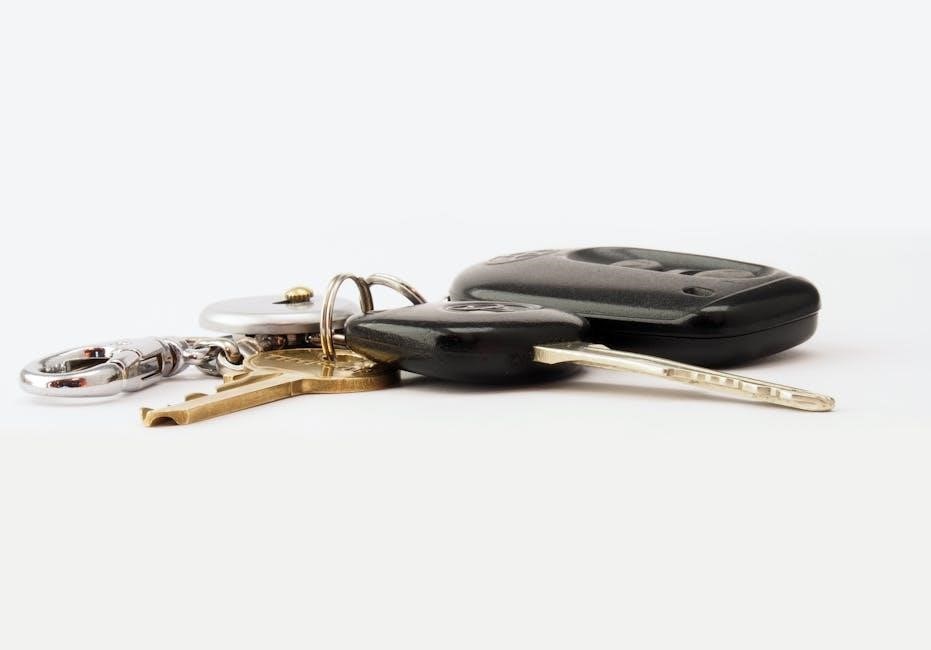
The key itself is often the primary suspect when a manual key won’t unlock the door. A worn key blade may not fully engage the lock’s tumblers, while a bent or damaged key can physically obstruct the unlocking mechanism. Surprisingly, issues can arise from key cloning or duplication, particularly with older vehicle systems, where keys might inadvertently gain access to other cars.
These key-specific problems require careful inspection and, potentially, professional key cutting or replacement to restore functionality and security.
Worn Key Blade
Over time, repeated use causes the key blade to wear down, losing its precise shape. This wear prevents the key from fully engaging with the internal pins of the lock cylinder. A slightly worn blade might still start the ignition, masking the problem until the door lock fails entirely.
The subtle imperfections hinder proper tumbler alignment, making unlocking difficult or impossible, and often requiring a new key cut from the original or vehicle identification number.
Bent or Damaged Key
A physically bent or damaged key blade is a common culprit, preventing smooth insertion and proper engagement within the lock cylinder. This damage can occur from dropping the key, excessive force during use, or simply carrying it with other heavy items. A bent key won’t align correctly with the internal locking mechanisms.
Attempting to force a damaged key can worsen the issue, potentially causing further damage to the lock itself, necessitating professional locksmith intervention and key replacement.
Key Cloning/Duplication Problems
Poorly cloned or duplicated keys can exhibit issues with unlocking the door, as the cuts may not perfectly match the original key’s specifications. Some key types, particularly older models like certain Fiestas and Mazda 121s, are notoriously easy to duplicate, potentially leading to unintended access.
Improperly cut duplicates might partially engage the lock, causing binding or preventing it from turning. This can also create security risks, as the cloned key may not be unique to your vehicle.
Lock Mechanism Issues
Several problems within the lock mechanism itself can prevent your key from unlocking the door. A frozen lock cylinder, common in colder climates, restricts key movement, easily resolved with de-icer spray. Debris, like dirt or small objects, can jam the internal components, hindering operation.
Internal component failure, due to wear and tear, is also possible. A stuck door latch, or a faulty actuator, can create resistance, making the key seem ineffective, even if the lock is functional.
Frozen Lock Cylinder
A frozen lock cylinder is a frequent culprit, particularly in regions experiencing sub-freezing temperatures. Moisture inside the lock can expand upon freezing, physically blocking the keyway and preventing the pins from aligning correctly. This creates significant resistance, making it impossible to insert or turn the key.
Fortunately, this is often a simple fix. Applying a de-icer spray specifically designed for locks quickly melts the ice, restoring functionality. Drivers in colder climates should consider preventative measures to avoid this issue.
Debris in the Lock Cylinder
Dirt, dust, and small particles can accumulate inside the lock cylinder over time, hindering smooth operation. These contaminants interfere with the precise movement of the internal pins, causing the key to bind or feel gritty. This buildup creates friction and prevents the key from fully engaging, ultimately blocking unlocking.
Sometimes, a broken keyhole cover fragment can also jam the lock. Carefully inspecting the keyway and removing any visible debris with tweezers or a similar tool may resolve the issue.
Internal Lock Component Failure
The intricate mechanisms within a car door lock can experience wear and tear over years of use, leading to component failure. Springs can lose tension, wafers can become damaged, or other small parts can break, preventing the lock from functioning correctly.
This internal damage often manifests as a stiff or unresponsive key, or a complete inability to turn the key even with moderate force. Such failures typically necessitate professional locksmith intervention or lock replacement.
Body Control Module (BCM) Problems
Modern vehicles rely heavily on the Body Control Module (BCM) to manage various electrical functions, including key recognition and door lock operation. A malfunctioning BCM can lose the stored information associated with your car key, effectively rendering it useless for unlocking the doors or starting the engine.
This issue is particularly common in certain Ford models, as noted in online forums, and requires reprogramming or replacement of the BCM by a qualified technician.
BCM Losing Key Information
A frequent cause of key-related issues is the Body Control Module (BCM) intermittently losing the programmed data for your specific key, preventing it from being recognized. This means the car won’t respond to the key, even if it’s physically correct for the lock.
Online discussions highlight this as a recurring problem, particularly with certain vehicle makes, requiring a dealer or locksmith to re-sync the key with the BCM, restoring functionality.
BCM Failure & Key Recognition
Complete failure of the Body Control Module (BCM) can lead to a total loss of key recognition, rendering the manual key useless for both unlocking the doors and starting the engine. This is a more severe scenario than simply losing key data.
If the BCM is faulty, the car effectively forgets all programmed keys, necessitating BCM replacement and subsequent key reprogramming – a task best left to qualified professionals.
Door Latch Problems
Issues with the door latch mechanism itself can prevent the door from opening, even if the key successfully engages the lock cylinder. A stuck door latch, often due to corrosion or accumulated debris, is a common culprit.
Furthermore, a faulty door latch actuator – the component that physically moves the latch – can fail, leaving the door locked. This is particularly prevalent in older vehicles, and may require replacement of the actuator.
Stuck Door Latch
A stuck door latch frequently occurs due to environmental factors, like extreme temperatures or humidity, causing components to expand or contract; Accumulated dirt, grime, and corrosion within the latch mechanism significantly impede its movement, preventing proper engagement or disengagement.
Applying gentle pressure while simultaneously attempting to unlock the door can sometimes dislodge the latch. However, avoid excessive force, as this could damage the latch or surrounding door components, necessitating professional repair.
Faulty Door Latch Actuator
If the key turns in the lock but the door remains stubbornly shut, a malfunctioning door latch actuator is a likely culprit. This small electric motor, responsible for physically moving the latch, can fail due to wear and tear, corrosion, or electrical issues.
Symptoms include a clicking sound when attempting to unlock, or complete silence. Replacement typically requires removing the door panel and is best left to a qualified mechanic to ensure proper functionality and avoid further damage.
Environmental Factors
Extreme temperatures and humidity can significantly impact your car door’s locking mechanism. Freezing temperatures can cause water within the lock cylinder to expand, effectively jamming it. Conversely, humidity fosters corrosion, leading to internal lock component deterioration and difficulty turning the key.
Vehicles in colder climates are particularly susceptible, but even moderate humidity can contribute to long-term issues. Regular preventative maintenance, including lubrication, is crucial to mitigate these environmental effects and ensure smooth operation.
Extreme Temperatures (Freezing)
Freezing temperatures are a common culprit when a manual key won’t unlock a car door. Water trapped inside the lock cylinder expands upon freezing, creating a physical obstruction that prevents the key from engaging the internal mechanisms. This is especially prevalent after snow or rain.
Fortunately, this is often a temporary issue, easily resolved with a de-icer spray specifically designed for automotive locks. Applying the spray melts the ice, restoring functionality, but prevention through regular maintenance is key.
Humidity and Corrosion
High humidity levels can contribute to corrosion within the lock cylinder, hindering smooth key operation. Moisture encourages rust formation on internal components, creating friction and making it difficult to turn the key. This is particularly problematic in coastal regions or areas with consistently damp climates.
Over time, corrosion can worsen, potentially leading to a complete lock failure. Regular lubrication with a graphite-based lubricant helps displace moisture and protect against rust, extending the lock’s lifespan and ensuring reliable operation.
Lubrication Issues
Proper lubrication is crucial for smooth lock operation, but both a lack of it and using the wrong type can cause problems. Without lubrication, internal components experience increased friction, making the key difficult to turn and potentially causing wear. However, avoid excessive oil, as it attracts dirt and debris, worsening the issue.
Graphite lubricant is the preferred choice for car door locks, as it’s dry and won’t collect contaminants. Applying it periodically ensures the lock mechanism functions correctly and prevents corrosion, maintaining easy access to your vehicle.
Lack of Lubrication
Insufficient lubrication within the lock cylinder is a frequent culprit when a manual key struggles to unlock a car door. Over time, the internal components experience increased friction due to wear and tear, hindering smooth operation. This friction makes turning the key difficult, potentially leading to jamming or complete failure to engage the locking mechanism.
Regular lubrication prevents this, ensuring effortless key insertion and rotation. Neglecting this simple maintenance step can result in significant difficulty and potential damage to the lock itself, requiring professional intervention.
Incorrect Lubricant Use
While lubrication is vital, using the wrong type can exacerbate the problem. Avoid oil-based lubricants like WD-40, as they attract dirt and grime, creating a sticky residue within the lock cylinder. This buildup worsens the situation, making unlocking even harder over time and potentially causing further damage.
Instead, opt for graphite-based lubricants specifically designed for locks. These dry lubricants provide effective lubrication without attracting contaminants, ensuring smooth key operation and long-term lock health.
Foreign Object Interference
Sometimes, the inability to unlock a door isn’t due to the key or lock itself, but an obstruction. Small debris, like broken plastic pieces from a damaged keyhole cover, can become lodged within the lock cylinder, physically blocking the key from turning. This is a surprisingly common issue, easily overlooked during initial troubleshooting.
Carefully inspect the keyway for any visible obstructions and attempt to remove them with tweezers or a similar tool. Even seemingly insignificant fragments can cause significant locking problems.

Broken Keyhole Cover Fragments
A frequently encountered issue involves fragments from a deteriorated keyhole cover obstructing the lock mechanism. Over time, these plastic covers can become brittle and crack, leaving small pieces inside the keyway. These seemingly minor remnants can effectively jam the lock, preventing the key from fully inserting or turning.
Inspect the keyway closely for any visible plastic shards. Using fine tweezers, carefully attempt to extract these fragments, being cautious not to push them further in or damage the lock’s internal components.
Small Objects Jamming the Lock
The car door lock cylinder is surprisingly vulnerable to intrusion by small foreign objects. Debris like dirt, sand, or even tiny pebbles can find their way into the mechanism, creating a blockage that prevents the key from functioning correctly. This is especially common in vehicles frequently parked outdoors or in dusty environments.
Attempt to dislodge any obstructions by gently inserting and removing the key while applying slight pressure. A blast of compressed air, directed into the keyway, might also help clear out loose particles.
Security System Interference
Modern vehicles often integrate sophisticated security systems that can inadvertently prevent key operation. A malfunctioning immobilizer system, designed to prevent theft, might not recognize the key, even if it’s the correct one. Similarly, issues with the car’s alarm system could cause it to lock the doors, overriding manual key access.
Check if the security light is flashing erratically, indicating a potential system fault. Disabling the alarm (if possible) or consulting your owner’s manual for security system reset procedures may resolve the issue.
Immobilizer System Malfunction
The car’s immobilizer system is designed to prevent unauthorized starting, but a malfunction can prevent even the correct key from unlocking the doors or starting the engine. This system uses a transponder chip in the key, communicating with the vehicle’s computer.
If communication fails, the system assumes a theft attempt. Try a spare key; if it works, the original key’s transponder may be damaged. A diagnostic scan can pinpoint immobilizer faults, requiring professional reprogramming or repair.
Alarm System Issues
A malfunctioning car alarm system can sometimes interfere with the door unlocking mechanism, even with a manual key. The alarm might be in a triggered state, preventing the central locking system from responding to the key. This is a security feature designed to deter theft, but can be inconvenient.
Try disarming the alarm using the key fob (if functional) or the emergency override procedure outlined in your owner’s manual. If the alarm continues to interfere, professional diagnosis is needed.

Locksmith Solutions
When DIY attempts fail, a professional locksmith offers reliable solutions. Skilled lock picking can bypass the obstruction without damaging the lock or door. If the lock is severely damaged or compromised, a locksmith can provide lock replacement options, including rekeying for enhanced security.
Experienced locksmiths possess specialized tools and knowledge to diagnose complex issues, offering a swift and effective resolution to regain access to your vehicle and restore functionality.
Professional Lock Picking
A skilled locksmith utilizes specialized tools and techniques for professional lock picking, carefully manipulating the internal components to bypass the locking mechanism. This method avoids damage to the vehicle’s door, lock cylinder, or ignition system, offering a non-destructive entry solution.
Lock picking requires expertise and is often the quickest way to regain access when a key is lost, broken, or malfunctioning, providing a secure and efficient alternative to forceful entry.
Lock Replacement Options
If the lock mechanism is severely damaged or compromised, lock replacement becomes necessary. Locksmiths can install new lock cylinders, ensuring your vehicle’s security is fully restored. Options range from OEM (Original Equipment Manufacturer) parts for a perfect fit to aftermarket alternatives offering cost savings.
Complete door latch and actuator replacements may also be required if those components are faulty, addressing the root cause of the unlocking issue and preventing future problems.
DIY Troubleshooting Steps
Before calling a professional, attempt some simple DIY fixes. If freezing is suspected, carefully apply a de-icer spray directly into the lock cylinder, allowing it to thaw. Avoid excessive force, which could cause further damage. Graphite lubricant can help loosen stiff mechanisms, but use sparingly to prevent dirt buildup.
Inspect the keyway for obstructions; a broken keyhole cover fragment could be the culprit, removable with tweezers.
Applying De-Icer Spray
When a frozen lock is suspected, de-icer spray is a first line of defense. Choose a product specifically designed for automotive locks, and carefully insert the spray nozzle into the keyway. Apply a short burst, allowing the liquid to penetrate and melt any ice crystals hindering the lock’s operation.
Avoid prolonged spraying, as excessive liquid can refreeze. Gently attempt to turn the key after application; repeat if necessary.
Using Graphite Lubricant
Graphite lubricant can help restore smooth key operation, but use it cautiously. Apply a small amount of powdered graphite directly into the keyway – avoid liquid oils, as they attract dirt. Insert and remove the key several times to distribute the graphite throughout the lock mechanism.
Be mindful of over-lubrication; excess graphite can create a paste that worsens the problem. A little goes a long way!
Preventative Maintenance
Regular lock lubrication is crucial for preventing future issues. Apply graphite lubricant to your key and the lock cylinder a few times a year, especially before winter. Proper key care extends its lifespan – avoid bending or damaging the key blade.
Store keys separately to prevent wear from rubbing against other objects. Consistent maintenance minimizes the risk of a frustrating lockout situation and ensures reliable access to your vehicle.
Regular Lock Lubrication
Consistent lubrication is paramount for smooth lock operation. Utilize graphite-based lubricants specifically designed for locks; avoid oil-based products as they attract dirt and debris. Apply sparingly, inserting the lubricant into the keyway and working the key in and out several times.
This preventative measure minimizes friction, preventing sticking and corrosion, particularly in harsh weather conditions, ensuring your key effortlessly unlocks the door;
Key Care and Storage
Protecting your key from damage extends its lifespan and reliability. Avoid bending or dropping the key, as this can warp the blade and hinder its function. Store keys separately from other metal objects to prevent scratches and wear.
Regularly inspect the key for signs of wear, and consider having a duplicate made before issues arise, ensuring you always have a functional backup for access to your vehicle.
When to Seek Professional Help
If you experience repeated key failures, despite troubleshooting, it’s time to consult a professional. Suspected Body Control Module (BCM) issues, where the car doesn’t recognize the key, require specialized diagnostic tools and expertise.
Don’t attempt complex repairs yourself; a locksmith can efficiently pick the lock or provide replacement options. Ignoring persistent problems can lead to further damage and higher repair costs down the line.
Repeated Failures
Consistent inability to unlock the door with your manual key signals a deeper problem. Simple fixes like lubrication or de-icing won’t suffice if the issue recurs frequently; This suggests a potential mechanical fault within the lock cylinder or a more complex electronic issue.
Continued attempts can worsen the situation, potentially causing further damage. It’s crucial to avoid forcing the key and instead seek professional diagnosis to prevent escalating repair costs.
Suspected BCM Issues
If your key works in the ignition but not the door, a Body Control Module (BCM) problem is likely. The BCM manages key recognition, and losing this information prevents unlocking. This is common in Ford vehicles, as noted in online forums.
A failing BCM can cause intermittent or complete key recognition failure, requiring reprogramming or replacement by a qualified technician. Ignoring this can lead to a non-starting vehicle.