Drill Bit Guide: A Comprehensive Overview (Updated 02/07/2026)
Navigating the world of drill bits requires understanding materials, coatings, and applications. This guide details various types – from HSS to carbide – ensuring optimal performance and longevity.
Drill bits are essential tools for creating holes in a wide array of materials, ranging from delicate wood to robust metal and brittle masonry. Selecting the appropriate bit is crucial for achieving clean, accurate results and preventing damage to both the bit and the workpiece. The sheer variety available – twist bits, spade bits, Forstner bits, hole saws, and more – can seem daunting, but understanding their specific designs and intended uses simplifies the process.
A drill bit’s effectiveness hinges on its material composition and coating. High-speed steel (HSS) is a common choice for general-purpose drilling, while cobalt bits offer enhanced durability for tougher materials. Coatings like titanium nitride (TiN) and black oxide further improve performance and longevity. Ultimately, mastering drill bit selection is fundamental to any successful drilling project, ensuring efficiency and precision.
Understanding Drill Bit Materials
The material a drill bit is crafted from significantly impacts its performance and lifespan. High-speed steel (HSS), a popular choice, offers a good balance of hardness and toughness, suitable for general-purpose drilling in wood, plastic, and softer metals. Cobalt drill bits incorporate cobalt for increased heat resistance and wear resistance, excelling in harder metals like stainless steel.
Beyond the base metal, coatings play a vital role. Black oxide provides mild corrosion resistance and reduces light reflection. Titanium nitride (TiN) coatings enhance hardness and lubricity, extending bit life. Carbide-tipped bits utilize extremely hard carbide inserts for superior durability when drilling abrasive materials. Understanding these material properties allows for informed selection based on the project’s demands.
High-Speed Steel (HSS) Drill Bits
High-Speed Steel (HSS) drill bits represent a versatile and cost-effective option for a wide range of drilling applications. Composed of carbon steel with chromium and vanadium additives, HSS bits maintain their hardness at higher temperatures, unlike standard carbon steel. This makes them suitable for drilling wood, plastic, and softer metals like aluminum and mild steel.
HSS bits are available in various point angles and flute designs, influencing their performance in specific materials. Generally, a 118-degree point angle is ideal for general-purpose drilling, while steeper angles are better for harder materials. They are a foundational choice for DIY enthusiasts and professionals alike, offering a reliable balance of performance and affordability.
Cobalt Drill Bits
Cobalt drill bits are engineered for demanding applications, excelling where High-Speed Steel (HSS) falls short. Constructed from an incredibly strong alloy metal, typically 5-8% cobalt combined with steel, these bits offer superior heat resistance and hardness. This composition allows them to maintain cutting edges at elevated temperatures generated when drilling tough materials.
Cobalt bits are the preferred choice for drilling stainless steel, cast iron, and other hard metals. They resist wear and deformation better than HSS, extending their lifespan and providing cleaner, more accurate holes. While more expensive than HSS, the increased durability and performance justify the investment for professional users and challenging projects.
Black Oxide Coated Drill Bits
Black oxide coated drill bits represent a cost-effective enhancement over standard HSS bits. The black oxide finish isn’t a coating that adds hardness to the bit itself, but rather a chemical conversion coating applied to the steel surface. This process creates a protective layer that enhances corrosion resistance and provides a slight improvement in lubricity.
While not as durable as cobalt or titanium-coated bits, black oxide offers a good balance of performance and affordability. They are suitable for general-purpose drilling in softer metals, wood, and plastics. The dark finish also reduces light glare, improving visibility during use. These bits are a practical choice for DIY enthusiasts and light-duty applications.
Titanium Nitride (TiN) Coated Drill Bits

Titanium Nitride (TiN) coated drill bits are a popular upgrade from standard High-Speed Steel (HSS) options, offering enhanced performance and longevity. The thin, gold-colored TiN coating is applied through a vapor deposition process, significantly increasing surface hardness and wear resistance. This allows for faster cutting speeds and extended bit life, particularly when drilling into abrasive materials.
TiN coating also reduces friction, minimizing heat buildup during drilling. While not as robust as carbide-tipped bits, TiN-coated bits excel in general-purpose applications involving softer metals, wood, and plastics. They represent a good balance between cost and performance, making them a versatile choice for both professionals and DIYers.
Carbide-Tipped Drill Bits
Carbide-tipped drill bits represent a significant leap in drilling capability, designed for demanding applications and hard materials. These bits feature a cutting edge made from tungsten carbide, a remarkably hard and durable material. This carbide tip is brazed onto a steel body, combining the strength of steel with the exceptional hardness of carbide.
Carbide bits excel at drilling through tough materials like stainless steel, cast iron, and even ceramic tile and masonry. They maintain their sharpness for a considerably longer period than HSS or TiN-coated bits, reducing the frequency of sharpening or replacement. While more expensive upfront, their extended lifespan and superior performance make them a cost-effective choice for frequent or heavy-duty drilling tasks.
Types of Drill Bits & Their Applications
A diverse range of drill bits caters to specific needs, including twist, spade, Forstner, hole saws, step bits, and specialized options for wood or masonry.
Twist Drill Bits
Twist drill bits represent the most common and versatile type, utilized for creating round holes in a wide array of materials like wood, plastic, and metal. Their helical design efficiently removes chips from the cutting surface, preventing overheating and ensuring clean drilling.
These bits come in various point angles; a sharper angle is suited for softer materials, while a wider angle excels in harder substances. General purpose twist bits are ideal for everyday tasks, offering a balance of performance and affordability.
Stubby twist bits, shorter in length, provide enhanced stability and reduced wandering, particularly beneficial when working in tight spaces or with thinner materials. They minimize flexing and offer greater control during operation, making them a valuable addition to any drill bit collection.
General Purpose Twist Bits
General purpose twist bits are the workhorses of any drill bit set, designed for a broad spectrum of drilling applications across various materials. These bits strike a balance between versatility, durability, and cost-effectiveness, making them ideal for both DIY enthusiasts and professional tradespeople.
Typically crafted from high-speed steel (HSS), they effectively handle wood, plastic, and softer metals like aluminum and mild steel. While not optimized for extremely hard materials, they provide reliable performance for common household and workshop tasks.
Their moderate point angle and standard flute design ensure efficient chip evacuation and prevent overheating during prolonged use. They are a foundational choice for anyone starting to build a comprehensive drill bit collection, offering dependable performance for a multitude of projects.
Stubby Twist Bits

Stubby twist bits, also known as screw machine bits, are shortened versions of standard twist drill bits, engineered for applications where space is limited or increased rigidity is required. Their compact length provides superior control and reduces the risk of bit breakage when drilling into hard materials or at awkward angles.
These bits excel in tight spaces, such as within machinery or inside assembled components, where a full-length bit simply won’t fit. They are frequently utilized in metalworking, particularly for precision drilling in steel and other alloys.
The shorter flute length minimizes wandering and enhances accuracy, making them a preferred choice for tasks demanding high precision. Despite their size, stubby bits maintain the versatility of standard twist bits, handling wood and plastic effectively.
Spade Bits (Paddle Bits)
Spade bits, also called paddle bits, are designed for rapidly drilling large-diameter holes in wood. Characterized by a flat, paddle-shaped cutting edge, these bits excel at creating holes for plumbing, electrical wiring, and other installations where speed is paramount. They operate by ripping and shearing wood fibers, rather than cutting cleanly like twist bits.
Spade bits are most effective when used with a drill press or at slow speeds to maintain control and prevent splintering. While primarily for wood, some can cautiously cut through soft metals and plastics.
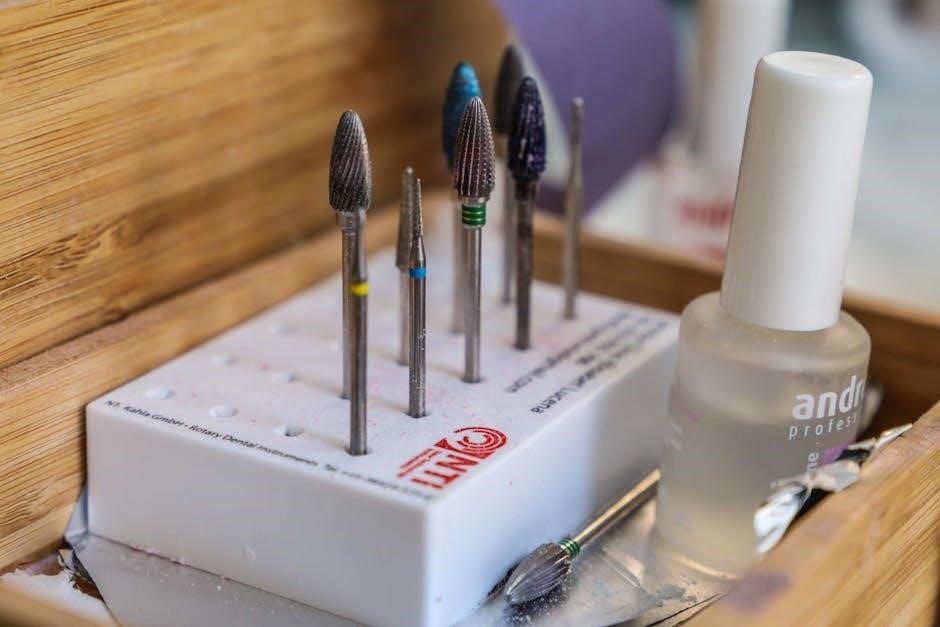
Their aggressive cutting action makes them unsuitable for precision work, but ideal for rough openings. Available in various sizes, spade bits offer a cost-effective solution for large-hole drilling.
Forstner Bits
Forstner bits are renowned for creating flat-bottomed, clean-edged holes in wood, making them ideal for applications like hinge mortises, overlapping holes, and furniture making. Unlike spade bits, they cut with a shearing action, resulting in a smooth, precise finish. These bits feature a cylindrical design with a center spur that pilots the cut and a rim that shapes the hole.
A drill press is highly recommended for optimal control and accuracy when using Forstner bits. They are available in a wide range of diameters and are typically used for softer woods, though specialized versions exist for hardwoods.
Forstner bits excel where precision and a clean hole are essential, offering a superior result compared to other wood-drilling options.
Hole Saws
Hole saws are cylindrical tools designed to cut large-diameter holes in various materials, including wood, metal, and masonry. They consist of a pilot drill bit at the center and a circular saw blade attached to a cylindrical mandrel. This allows for cutting holes much larger than standard drill bits;
Different types cater to specific materials: bi-metal hole saws excel in wood and metal, while carbide-tipped versions handle heavier materials like ceramic tile and masonry. Diamond-edged hole saws are also effective for tile. The diameter of each step is often etched into the bit.
Proper speed and pressure are crucial for clean cuts, and using a coolant can extend the life of the saw.
Bi-Metal Hole Saws
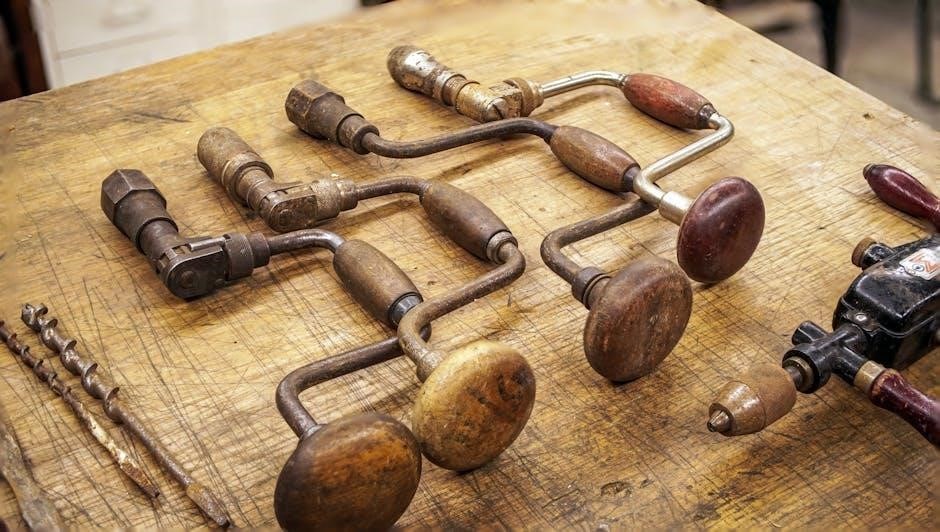
Bi-metal hole saws represent a versatile solution for cutting through a diverse range of materials, effectively bridging the gap between wood and metalworking applications. Constructed with a high-speed steel (HSS) matrix and teeth made from a more durable alloy, these saws offer enhanced resistance to wear and breakage compared to standard steel hole saws.
Their segmented design allows for flexibility and reduces the risk of binding, particularly when encountering irregular or curved surfaces. This makes them ideal for plumbers, electricians, and general contractors tackling various projects.
Proper cooling and consistent pressure are vital for maximizing the lifespan and performance of bi-metal hole saws.
Carbide-Tipped Hole Saws
Carbide-tipped hole saws are engineered for demanding applications involving abrasive and heavy-duty materials, such as ceramic tile, masonry, and hardened metals. Featuring robust carbide teeth brazed onto a steel body, these saws deliver exceptional durability and extended cutting life compared to bi-metal alternatives.
The carbide tips maintain their sharpness significantly longer, reducing the frequency of replacements and ensuring consistent performance through challenging cuts. However, they are generally more brittle than bi-metal saws and require careful handling to prevent chipping or cracking.
Slow, steady pressure and ample cooling are crucial when using carbide-tipped hole saws to maximize their effectiveness and prevent damage.
Diamond-Edged Hole Saws
Diamond-edged hole saws represent the pinnacle of cutting power for exceptionally hard and brittle materials, including porcelain tile, glass, and certain types of stone. These saws utilize industrial-grade diamonds bonded to a steel core, providing unmatched cutting precision and longevity.
Unlike carbide or bi-metal saws, diamond-edged versions don’t actually “cut” in the traditional sense; instead, they grind away at the material, resulting in a cleaner, chip-free hole. Water lubrication is absolutely essential when using these saws to dissipate heat and carry away debris, preventing damage to both the saw and the workpiece.
They are a premium option, offering superior performance but requiring a slower cutting speed and consistent cooling.
Step Drill Bits
Step drill bits, also known as unibits, are uniquely designed with a series of stepped diameters along their shank. This innovative design allows for the creation of multiple hole sizes with a single bit, making them incredibly versatile and efficient. Often, the diameter of each step is clearly etched into the bit itself for easy identification.
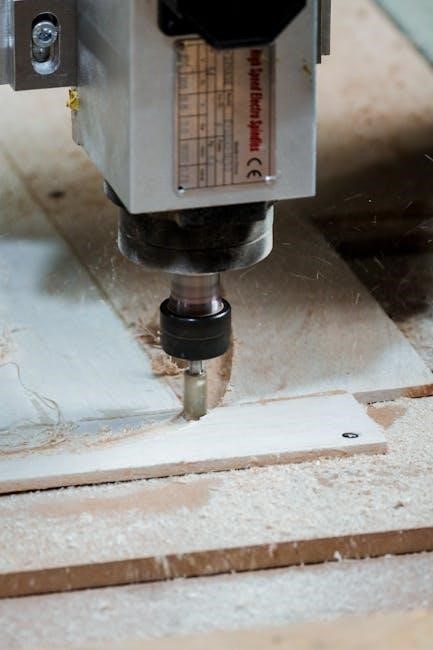
These bits excel at drilling clean, accurate holes in thin materials like sheet metal, plastic, and wood. They are particularly useful when creating overlapping holes or when needing to enlarge an existing hole incrementally. Step bits are self-centering, reducing the need for pilot holes, and produce minimal burring on the exit side of the material.
They can also be used as a deburring tool, smoothing rough edges after drilling.
Masonry Drill Bits
Masonry drill bits are specifically engineered for drilling into hard, abrasive materials like concrete, brick, stone, and tile. Unlike standard drill bits, masonry bits feature a hardened carbide tip, often brazed onto a steel body, to withstand the intense friction and impact. This carbide tip remains sharp even after prolonged use in tough materials.
These bits typically have a wider flute design to efficiently remove debris from the hole, preventing clogging and overheating. They require a hammering action – utilizing a drill with a hammer drill setting – to effectively pulverize the masonry. Applying consistent, moderate pressure is crucial; forcing the bit can lead to breakage.
Diamond-tipped masonry bits are available for even harder materials, like porcelain tile and glass.
Wood Drill Bits (Brad Point Bits)
Brad point drill bits are designed for clean, precise holes in wood, minimizing splintering and tear-out. They feature a sharp, pointed center spur (the “brad point”) that accurately locates the drilling position and prevents wandering. Two cutting edges then shear the wood fibers, creating a smooth hole.
These bits excel in woodworking applications where accuracy is paramount, such as furniture making and joinery. They are generally not suitable for metal or masonry. The flute design efficiently evacuates wood chips, preventing overheating and ensuring a clean cut.
Brad point bits are available in various sizes and configurations, including those with adjustable depth stops for consistent hole depths. Using a lower speed is recommended for optimal results.
Self-Feed Drill Bits
Self-feed drill bits, also known as auger bits, are designed for drilling large-diameter holes quickly and efficiently in wood. They feature a screw-like tip that pulls the bit into the material, requiring minimal manual pressure from the user – hence the “self-feed” designation.
These bits are particularly useful for tasks like installing electrical conduit or plumbing pipes, where numerous large holes need to be drilled. They are not recommended for use in metal or masonry. The aggressive cutting action makes them fast, but can also lead to tear-out if not used carefully.
Using a slow to medium speed is crucial to prevent overheating and ensure a clean hole. Proper support and control are essential due to the bit’s powerful pulling action.
Countersink Drill Bits
Countersink bits create conical recesses in materials, allowing screw heads to sit flush with or below the surface. This provides a clean, professional finish and prevents protruding screw heads. They are essential for woodworking, metalworking, and plastic fabrication projects where a smooth surface is desired.
These bits typically have a pilot drill point to accurately position the countersink, and come in various angles – 60°, 82°, 90°, and 120° being common. The angle should match the head angle of the screw being used. Using the correct size and angle is vital for a proper fit.
They can be used with both hand drills and drill presses, offering versatility for different applications. Proper speed control is important to avoid damaging the material or the bit itself.
Pilot Drill Bits
Pilot drill bits are smaller diameter drill bits used to create a starting hole for larger bits, preventing wandering and ensuring accurate hole placement. They are crucial when drilling into hard materials or when precision is paramount. Using a pilot bit minimizes tear-out and splitting, especially in wood.
These bits are often used in conjunction with hole saws, Forstner bits, and even larger twist drill bits. The pilot bit guides the larger bit, ensuring it starts and remains centered. Selecting the correct pilot bit size is essential; it should be approximately half the diameter of the final hole.
Pilot bits are available in various materials, including HSS and cobalt, depending on the material being drilled. They are a fundamental tool for any drilling project requiring accuracy and control.
Upcut and Downcut Spiral Bits
Upcut and downcut spiral bits are specialized router bits designed for clean cuts in various materials, particularly wood and plastics. The difference lies in the direction of the flutes – the spiral grooves that remove material. Upcut bits pull chips upwards, creating a cleaner top surface but potentially causing tear-out on the bottom.
Downcut bits, conversely, push chips downwards, resulting in a cleaner bottom surface but potentially rougher top. Compression bits combine both upcut and downcut sections, minimizing tear-out on both sides, ideal for laminates and delicate materials.
Choosing the right spiral direction depends on the application. For through-cuts, upcut is often preferred, while downcut excels in creating smooth edges on the visible surface.
Flush Trim Bits
Flush trim bits are essential for achieving perfectly smooth, flush surfaces when trimming edges of materials like wood, particleboard, and laminates. These router bits feature a bearing that rides along a template or the workpiece itself, guiding the cutting edge to precisely match the template’s shape.
They are commonly used in woodworking projects for trimming veneer, creating seamless joints, and refining edges after cutting with other bits. Different bearing positions – top, bottom, or both – offer versatility for various applications.
Selecting the correct flush trim bit involves considering the bearing diameter and the bit’s overall length, ensuring a clean and accurate trim every time.
Choosing the Right Drill Bit for the Material
Selecting the appropriate drill bit is crucial for clean, efficient drilling. Material properties dictate bit type; wood, metal, plastic, and masonry each demand specific solutions.
Drilling Wood: Bit Selection
When drilling wood, several bit types offer distinct advantages. Brad point bits, also known as wood drill bits, are specifically designed for clean, precise holes in wood, preventing splintering due to their sharp point and cutting edges. For larger diameter holes, Forstner bits excel, creating flat-bottomed holes ideal for cabinetry and joinery, requiring a drill press for optimal control;
Spade bits, or paddle bits, are suitable for rougher work and quickly drilling larger holes, though they may produce more tear-out. Upcut and downcut spiral bits are also options, with upcut bits pulling material upwards and downcut bits pushing it downwards, influencing chip evacuation. Consider the wood type – softer woods require less aggressive bits than hardwoods. Always prioritize sharp bits for clean cuts and reduced strain on the drill.
Drilling Metal: Bit Selection
Drilling metal demands robust drill bits capable of withstanding high temperatures and hardness. High-Speed Steel (HSS) bits are a common starting point, suitable for softer metals like aluminum and mild steel. However, for harder metals – stainless steel, cast iron – cobalt drill bits are highly recommended due to their superior heat resistance and durability.
Carbide-tipped drill bits offer exceptional longevity when working with very hard metals, though they can be more brittle. Black oxide coated bits provide some corrosion resistance and improved lubricity. When using any metal drill bit, slow speeds and cutting oil are crucial to prevent overheating and prolong bit life. Step drill bits are also useful for creating clean, burr-free holes in sheet metal.
Drilling Plastic: Bit Selection
Drilling plastic requires a delicate approach to avoid melting, cracking, or chipping. Standard HSS drill bits often work well, but a specialized plastic drill bit with a brad point design is ideal for cleaner holes and reduced material displacement. Lower speeds are absolutely essential; high speeds generate excessive heat, causing the plastic to melt and bind the bit.
Sharpness is paramount – a dull bit will exacerbate these issues; Twist drill bits are versatile for general plastic drilling. Avoid aggressive pressure, and consider backing the plastic with a sacrificial piece of wood to minimize tear-out. Step drill bits can also create clean holes in thinner plastics, offering versatility in hole size.
Drilling Masonry: Bit Selection
Drilling into masonry – brick, concrete, or stone – demands specialized bits designed to withstand abrasive materials. Forget standard metal bits; masonry drill bits, featuring carbide tips, are crucial. These carbide tips effectively chip away at the hard surface, creating the desired hole. Hammer drills are highly recommended, as the hammering action significantly accelerates the drilling process and reduces bit wear.
Diamond-edged hole saws excel for larger diameter holes in tile and masonry. Always apply consistent, moderate pressure and use a slow to medium speed. Cooling the bit with water during drilling prevents overheating and extends its lifespan. Safety glasses are non-negotiable due to flying debris.